Coin collecting is not just a hobby—it’s a journey that connects us to the past, telling stories of history, culture, and art through tangible treasures. Among the many types of coin collections, vintage coin collection holds a special allure. These coins are not just valuable for their metal content, but for the glimpse they offer into bygone eras, long-forgotten civilizations, and the evolution of currency. Whether you’re a seasoned numismatist or a beginner, collecting vintage coins can be both a rewarding and fascinating pursuit.
In this blog, we will explore what vintage coin collection is, why it holds appeal, the different types of vintage coins available for collectors, and how to build and maintain a vintage coin collection that has both historical and financial significance.
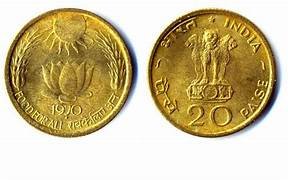
What is Vintage Coin Collection?
A vintage coin collection typically refers to coins that are at least 50 years old, though many collectors consider coins over 100 years old as “true” vintage pieces. These coins can be made from various metals like gold, silver, copper, and nickel, and they often come from different periods of history, including ancient civilizations, the Middle Ages, and more recent times, such as coins minted in the 19th and early 20th centuries.
Unlike modern coins, which are generally produced for everyday use, vintage coins carry historical value and often possess unique designs, minting errors, or commemorative elements. Their rarity, age, and condition contribute to their value in the eyes of collectors.
Vintage coins can be divided into two broad categories:
- Numismatic Coins: These are coins valued primarily for their rarity, historical significance, and design, rather than their intrinsic metal content.
- Bullion Coins: Though often produced for investment purposes, certain vintage bullion coins can also be highly sought after by collectors due to their age and unique design.
Collecting vintage coins involves both an appreciation for history and a recognition of the financial value these coins can have in the modern market. Whether you are focused on specific types of vintage coins or building a broad collection, there’s a great deal to learn and explore in this fascinating area of numismatics.
Why Collect Vintage Coins?
There are several reasons why people collect vintage coins, ranging from the personal satisfaction of owning a piece of history to the potential financial rewards associated with rare or valuable finds.
1. Historical Connection
One of the primary reasons people collect vintage coins is the historical connection they offer. Coins from different time periods give collectors a glimpse into the political, social, and economic conditions of their era. For example, an ancient Greek coin might feature the face of a prominent leader, such as Alexander the Great, while coins from the Victorian era in England could reveal insights into the industrial revolution and the expansion of the British Empire.
By collecting vintage coins, you can hold a tangible piece of the past in your hands, each coin telling a story of a different time and place.
2. Artistic Value
Coins are miniature works of art, with each one being carefully designed and minted with intricate patterns, symbols, and depictions of important figures or events. Vintage coins often showcase some of the best artistic designs ever created, making them visually appealing to collectors and history enthusiasts alike. Many vintage coins are beautifully crafted, and some designs have become iconic over the years.
3. Investment Potential
While collecting coins is often done for personal enjoyment, there is also the potential for financial gain. Some vintage coins have appreciated significantly in value over time, making them a great investment for those looking to diversify their portfolios. Rare vintage coins, particularly those in excellent condition or those that have a rich history, can fetch hundreds or even thousands of dollars at auction.
Some examples of vintage coins that have appreciated in value over the years include rare gold and silver coins, commemorative coins, and limited-edition mints from famous coin makers.
4. The Thrill of the Hunt
For many collectors, there’s an undeniable thrill in the pursuit of rare and hard-to-find coins. Hunting for specific vintage coins, whether at coin shows, auctions, or through reputable dealers, can be an exciting experience. It’s about more than just the coin itself—it’s about the quest, the research, and the excitement of discovering a hidden gem.
Types of Vintage Coins to Collect
Vintage coin collection encompasses a wide range of coins from different time periods, regions, and cultures. Below are some of the most popular categories of vintage coins that collectors typically focus on:
1. Ancient Coins
Ancient coins are among the oldest and most sought-after vintage coins. These coins were minted by civilizations such as the Greeks, Romans, Egyptians, and Persians. Collectors are drawn to ancient coins not only because of their age but also because of their connection to ancient cultures and the people who lived thousands of years ago.
Popular ancient coins include:
- Roman Coins: These coins often feature emperors and gods of the Roman Empire, and they are often highly detailed and engraved.
- Greek Coins: Famous for their intricate designs, Greek coins often feature gods, goddesses, and famous leaders.
- Coins of Ancient Egypt: Coins from ancient Egypt are rare and highly collectible, with designs that often feature pharaohs and deities.
2. Medieval Coins
Medieval coins come from the period between the fall of the Roman Empire and the beginning of the Renaissance. These coins were often used by kingdoms, empires, and early nation-states. Medieval coins can be fascinating because they often feature symbols of feudal systems, early Christianity, and the rise of new monarchies.
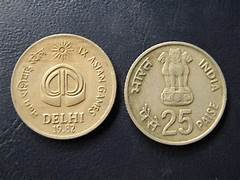
Notable medieval coins include:
- Gold and Silver Coins from the Byzantine Empire
- Anglo-Saxon Pennies
- Medieval European Coins: Including coins from France, Spain, and England, many of which were minted under monarchs like Charlemagne and Richard the Lionheart.
3. Colonial and Early American Coins
Coins from the colonial period or early American history are highly valued by collectors. These coins were often minted during the founding of the United States and other colonial regions and can reflect the history of the time, including revolutionary events and the formation of new governments.
Examples of colonial and early American coins:
- Colonial Silver Coins: Minted during the 17th and 18th centuries in the American colonies.
- Early U.S. Coins: Coins from the 18th and early 19th centuries, including the Half Cent, Large Cent, and the Flowing Hair Dollar.
- Commemorative Coins: Coins minted to celebrate specific historical events, such as the U.S. Bicentennial or the completion of the Transcontinental Railroad.
4. 19th and Early 20th Century Coins
The 19th and early 20th centuries saw significant developments in coin design, particularly in the United States and Europe. Coins from this period often feature prominent historical figures, technological advancements, and shifts in currency systems.
Popular coins from the 19th and early 20th centuries include:
- Morgan Silver Dollar: Minted from 1878 to 1904, this coin features a portrait of Lady Liberty and is one of the most beloved vintage coins in U.S. history.
- Barber Coins: These include dimes, quarters, and half dollars minted between 1892 and 1916, featuring a distinctive design by Charles E. Barber.
- Liberty Head Coins: Including Liberty Head nickels, dimes, and half dollars, which were minted from the 1830s to the 1900s.
5. Commemorative Coins
Commemorative coins are often minted to celebrate a specific historical event or person. These coins are typically produced in limited quantities, making them highly collectible. They are often issued by governments or mints as a tribute to significant milestones in history.
Some famous commemorative coins include:
- The U.S. Bicentennial Coins: Coins issued in 1976 to celebrate the 200th anniversary of the American Revolution.
- World War I and II Coins: Various countries minted special coins to commemorate the world wars.
- Royal Mint Commemoratives: These are often issued by the Royal Mint in the UK to celebrate royal events, such as the coronation of monarchs.
How to Start a Vintage Coin Collection
If you are a beginner interested in starting a vintage coin collection, there are several key steps you should follow to ensure that your collection grows both in value and significance.
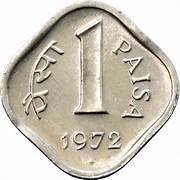
1. Research and Education
Before starting your collection, invest time in learning about the history of coins, their minting processes, and the various coin types available for collection. Read books, visit numismatic websites, and consider joining a coin club to meet fellow collectors. The more you know, the more informed your collecting decisions will be.
2. Determine Your Focus
It can be tempting to try to collect as many different types of coins as possible, but it’s better to have a focused approach. You can specialize in a specific period, such as ancient coins or 19th-century American coins, or focus on a specific type of coin, such as gold or silver. Having a specific area of interest will make your collection more meaningful and allow you to become more knowledgeable about your chosen field.
3. Start Small and Build Gradually
Don’t rush into making large purchases. Start small by collecting affordable vintage coins that are within your budget. As you learn more and your collection grows, you can begin acquiring higher-value items. Many collectors find that the thrill of the hunt is in finding coins that are rare but still within reach.
4. Buy from Reputable Dealers
When purchasing vintage coins, always buy from trusted dealers who provide certificates of authenticity. Look for dealers who are members of organizations like the American Numismatic Association (ANA) or the Professional Numismatists Guild (PNG). Purchasing from reputable dealers helps protect you from counterfeit coins or overpriced items.
5. Preserve and Protect Your Collection
Proper storage and handling are crucial for maintaining the value of your vintage coins. Use acid-free holders, such as 2x2s, capsules, or albums, to protect your coins from environmental damage like moisture, dust, and physical wear. Additionally, avoid touching the coins with bare hands to prevent oils from damaging their surface.
Conclusion
Vintage coin collection is a deeply rewarding pursuit that blends history, artistry, and investment. Collecting vintage coins allows you to connect with past civilizations, discover rare treasures, and build a collection that can grow in both historical significance and monetary value. Whether you are drawn to ancient Roman coins, 19th-century American pieces, or unique commemorative coins, there is a wealth of numismatic treasures waiting to be discovered.
As you begin your journey into the world of vintage coin collection, remember to educate yourself, start small, and focus on building a collection that resonates with your personal interests. With time, patience, and dedication, you’ll find yourself not only owning valuable historical artifacts but also preserving the legacy of those who came before us.