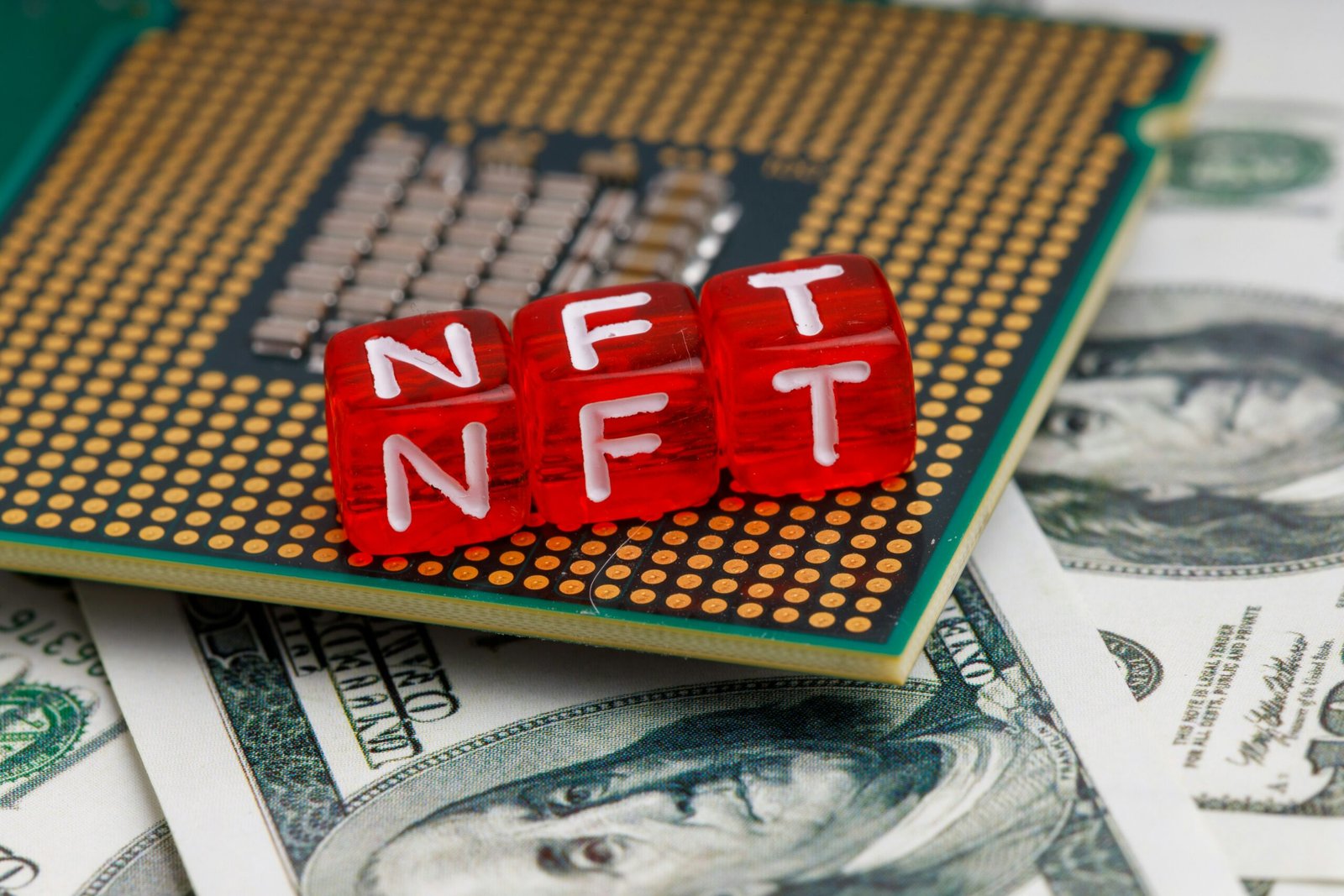
What are NFT Airdrops?
NFT airdrops represent a method of distributing non-fungible tokens (NFTs) directly to the wallets of users, usually at no cost. This practice has emerged as a crucial promotional strategy within the cryptocurrency ecosystem, providing an opportunity for creators and companies to engage with their audiences by delivering digital assets directly to their existing or potential customers. Airdrops can be utilized for various purposes, including marketing campaigns, user acquisition, and as rewards for loyalty among existing community members.
The fundamental process of an NFT airdrop involves identifying a targeted group of wallet holders who will receive the tokens. Typically, this is conducted through a snapshot of the blockchain, which records the addresses holding specific tokens or participating in certain activities. Once the snapshot is taken, the relevant NFTs are automatically distributed to those wallets, ensuring that recipients do not need to take any action to claim their new assets. This seamless approach not only increases user engagement but also fosters an expanded community surrounding a specific project.
For instance, a project might choose to reward early supporters by conducting an airdrop of limited-edition NFTs to users who have participated in its initial token sale. Another example could involve a game developer offering in-game NFTs to players who have shown consistent engagement with their platform. These strategic distributions not only enhance user experience but also elevate the visibility of the NFT project. As the demand for non-fungible tokens continues to grow, understanding the parameters and mechanisms behind NFT airdrops becomes vital for participants looking to navigate this evolving landscape.
Purposes and Types of NFT Airdrops
NFT airdrops serve several purposes within the cryptocurrency ecosystem, primarily aimed at driving community engagement and enhancing project visibility. One of the main motivations for conducting an airdrop is to reward loyal community members. By distributing free NFTs to dedicated supporters, projects demonstrate appreciation for their base, which can lead to increased loyalty and long-term investment in the ecosystem. Additionally, airdrops can stimulate excitement around upcoming projects, acting as a marketing strategy that generates buzz and attracts potential users. As new developments arise, these airdrops can significantly boost awareness and interest, ultimately contributing to a project’s success.
Furthermore, NFT airdrops can incentivize user engagement by encouraging potential users to participate in specific activities or holdings. For instance, projects may offer rewards for completing tasks, such as sharing content on social media or participating in community discussions. This direct interaction not only helps grow the community but also cultivates a sense of ownership among participants, further strengthening the project’s foundation.
When categorizing NFT airdrops, we can identify several types: exclusive, random, and holder-based airdrops. Exclusive airdrops typically target a specific group of individuals, such as early investors or loyal customers, and often provide unique benefits or limited-edition NFTs. Random airdrops, on the other hand, are distributed at random intervals without predetermined criteria, allowing for broader engagement within the community. Lastly, holder-based airdrops focus on existing token holders, rewarding them based on the quantity of tokens they possess. This approach encourages users to maintain their holdings, aligning their interests with the project’s longevity.
Understanding the various purposes and types of NFT airdrops allows crypto enthusiasts to make informed decisions and leverage these opportunities effectively, aligning their engagement levels with the potential rewards offered by different projects.
Participating in NFT Airdrops: Tips and Tricks
Participating in NFT airdrops can be an exciting opportunity for crypto enthusiasts to enhance their digital asset portfolios. However, it is crucial to approach airdrops with a practical strategy to maximize benefits while minimizing risks. First and foremost, staying informed about potential airdrops is essential. This can be achieved by monitoring official project announcements through their websites or social media channels, as reputable projects often share details about upcoming airdrops in advance. Additionally, joining dedicated social media groups such as Telegram, Discord, or Twitter can provide timely updates from the community and direct sources regarding NFT airdrop opportunities.
Another effective method to discover reliable airdrops is by following established crypto news sources. Websites that specialize in cryptocurrency news frequently publish lists and details about current and upcoming airdrops. This not only helps in identifying trustworthy projects but also provides insights into the potential value of the NFTs being airdropped. When engaging with these sources, it is important to reference multiple outlets to validate information and ensure it is accurate.
While NFT airdrops can be beneficial, they also come with inherent risks, particularly due to the prevalence of scams in the crypto space. Users should be aware of common red flags, such as projects requesting unnecessary personal information, asking for private keys, or providing links to unofficial web pages. To safeguard against potential fraud, it is advisable to conduct thorough research on any project conducting an airdrop before participating. Verifying the project’s legitimacy through online reviews and checking for a professional team behind the initiative can significantly reduce the likelihood of falling victim to scams.
By adopting a vigilant approach and utilizing the resources mentioned, crypto enthusiasts can navigate the NFT airdrop landscape with greater confidence and diligence, increasing their chances of success.
Notable Examples and the Future of NFT Airdrops
NFT airdrops have gained substantial attention in the cryptocurrency community, with several notable examples showcasing their impact on both recipients and projects. One of the most prominent cases is the airdrop conducted by Uniswap, a decentralized exchange, which distributed their governance token, UNI, to users who interacted with the platform prior to its launch. This initiative not only rewarded early adopters but also played a critical role in increasing user engagement and loyalty, illustrating how airdrops can foster a strong community around a project.
Another significant example is the airdrop by the social media platform, Twitter, which rewarded its users with NFTs based on their tweet engagement and interactions. This not only incentivized active participation on the platform but also highlighted the growing intersection of social media and NFT technology, paving the way for future collaborative ventures and community-building strategies. Such cases indicate that NFT airdrops can serve as effective marketing tools that simultaneously reward and engage users while enhancing project visibility.
As we look to the future of NFT airdrops, it is important to consider their potential evolution alongside advancements in the digital economy and the NFT ecosystem. The mechanism of distribution may become more sophisticated, perhaps incorporating criteria that reflect not only user engagement but also contributions to the community or holding specific tokens. Furthermore, as regulatory frameworks evolve, we may witness innovations in how airdrops are implemented, making them more accessible to a wider audience.
The future may also hold the introduction of dynamic airdrops that adapt to users’ behaviors over time, creating a personalized experience that rewards loyalty and long-term participation. As the NFT market continues to mature, the strategies surrounding airdrops will likely become more nuanced and influential, presenting new opportunities for both creators and collectors. By remaining informed about these developments, crypto enthusiasts can better navigate this rapidly evolving landscape.